
Loading…

Loading…
 MiZa Observation Deck
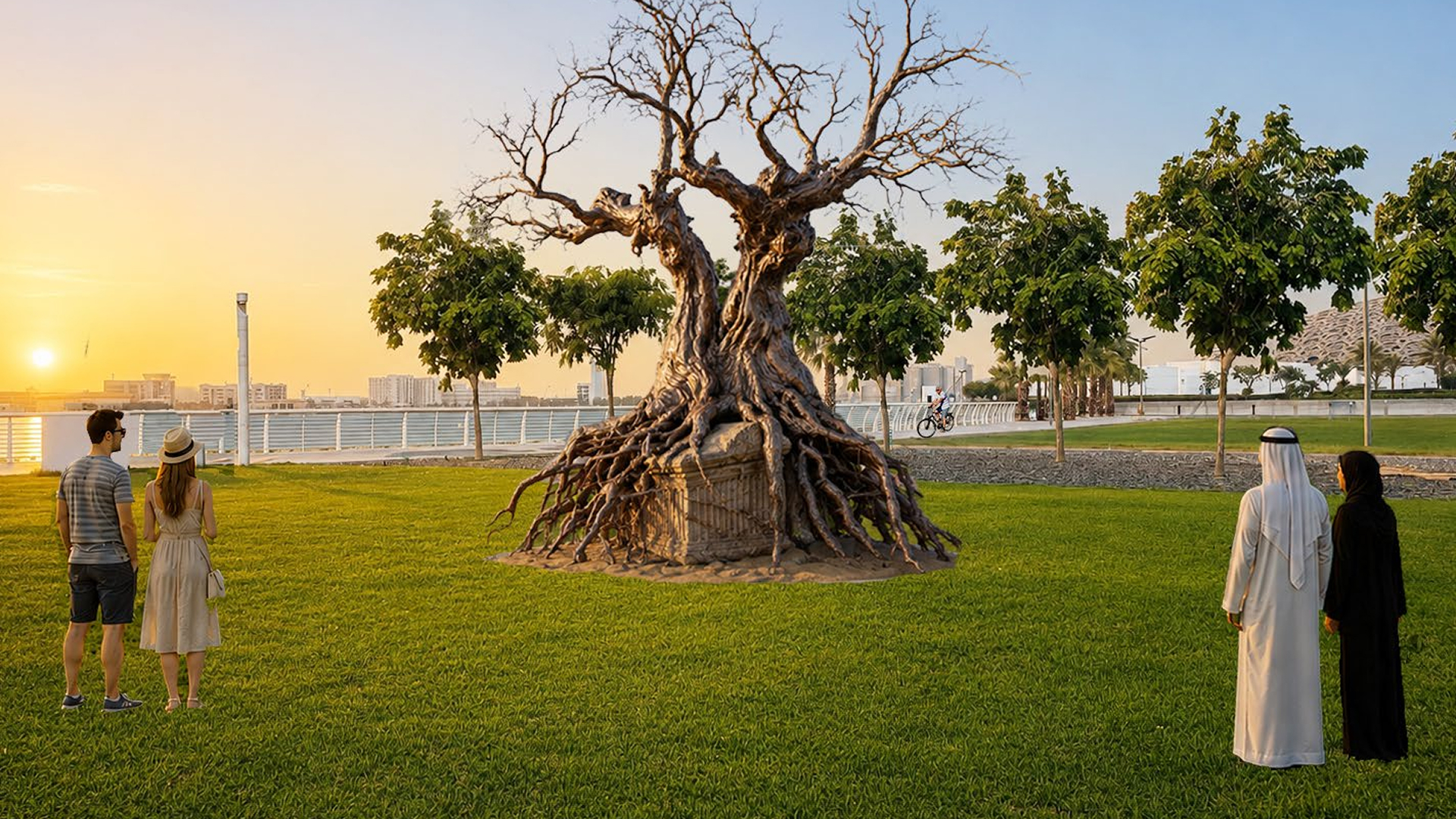
Akram Zaatari’s work has recently addressed restitution as a creative practice, pointing to questions related to extractive processes and their legacies. Above and Below (2026) extends these concerns through the allegory of an olive tree whose roots envelop an ancient object. For centuries, tree and object have sustained one another, binding ecological continuity to cultural heritage. To extract the sarcophagus would require sacrificing the tree; to preserve the tree means leaving the archaeological object underground, undisturbed. Rather than resolving this entanglement, the work invites a reconsideration of the hierarchies through which we approach heritage and a reflection on the values that govern our understanding of it. It suggests that the living and the archaeological are inseparable.
Beirut, Lebanon
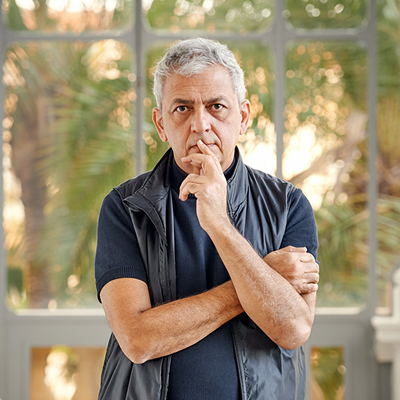
Akram Zaatari is an artist whose work converses with history through film, photography, artist’s publications, and other media. The act of excavation itself has become representative of his research-led practice, often highlighting marginal or forgotten histories. As a co-founder of the Arab Image Foundation, he has contributed to writing the history of photography in the Arab world and to the discourse of photographic preservation internationally. His work has been presented at the Triennial of Photography, Hamburg (2026), and Against Photography at Sharjah Art Foundation (2019); MMCA, Seoul (2018); and MACBA, Barcelona (2017). He represented Lebanon at the 55th Venice Biennale (2013) and participated in documenta 13, Kassel (2012). Zaatari studied architecture at the American University of Beirut (1989) and media studies at the New School, New York (1995), and is a PhD candidate in art at ENSAPC, CY Cergy Paris Université. He received the Grand Prize at the 17th Contemporary Art Festival SESC_Videobrasil (2011).
Loading map…
MiZa Observation Deck
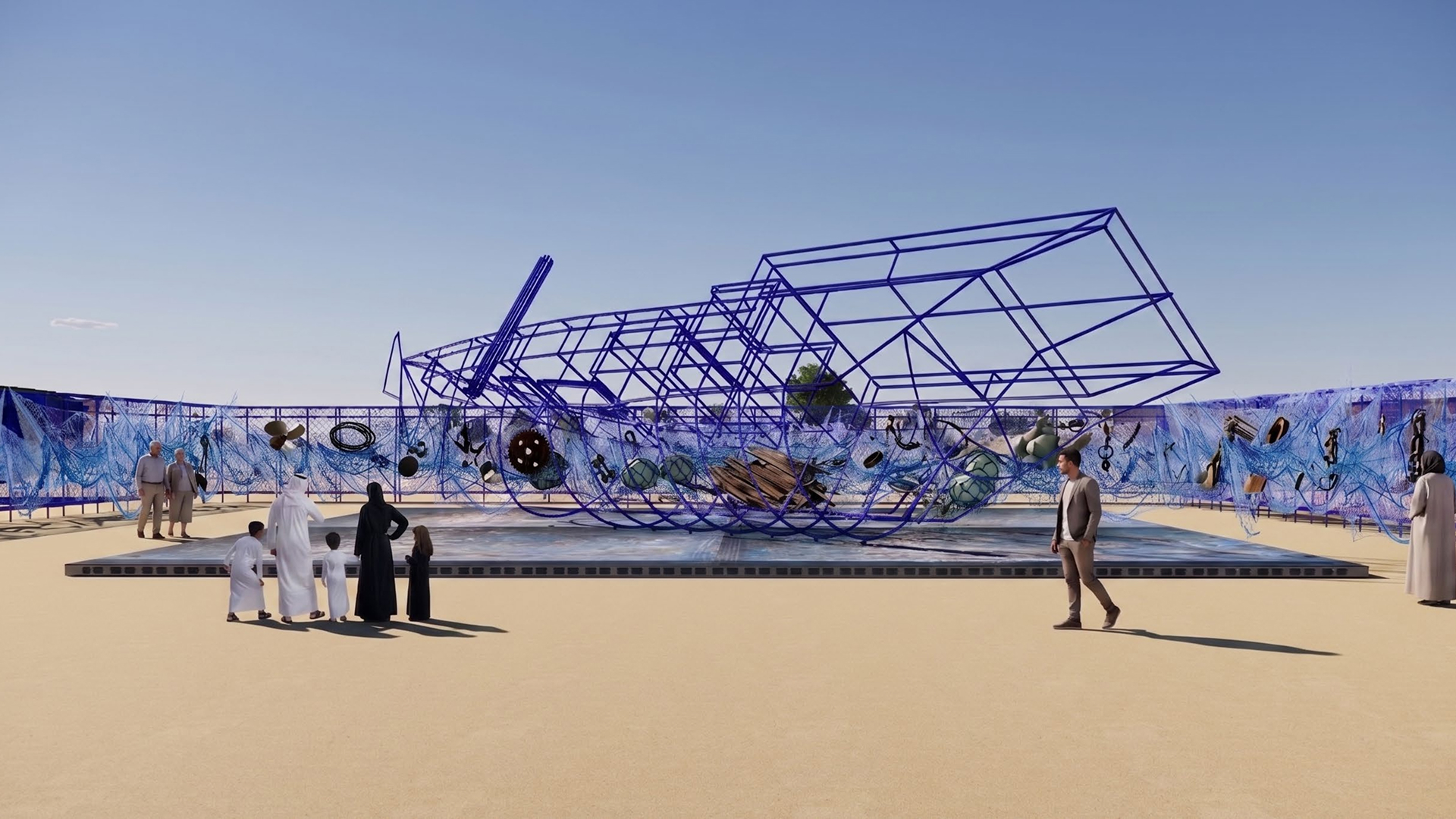
Nari Ward

MiZa Observation Deck
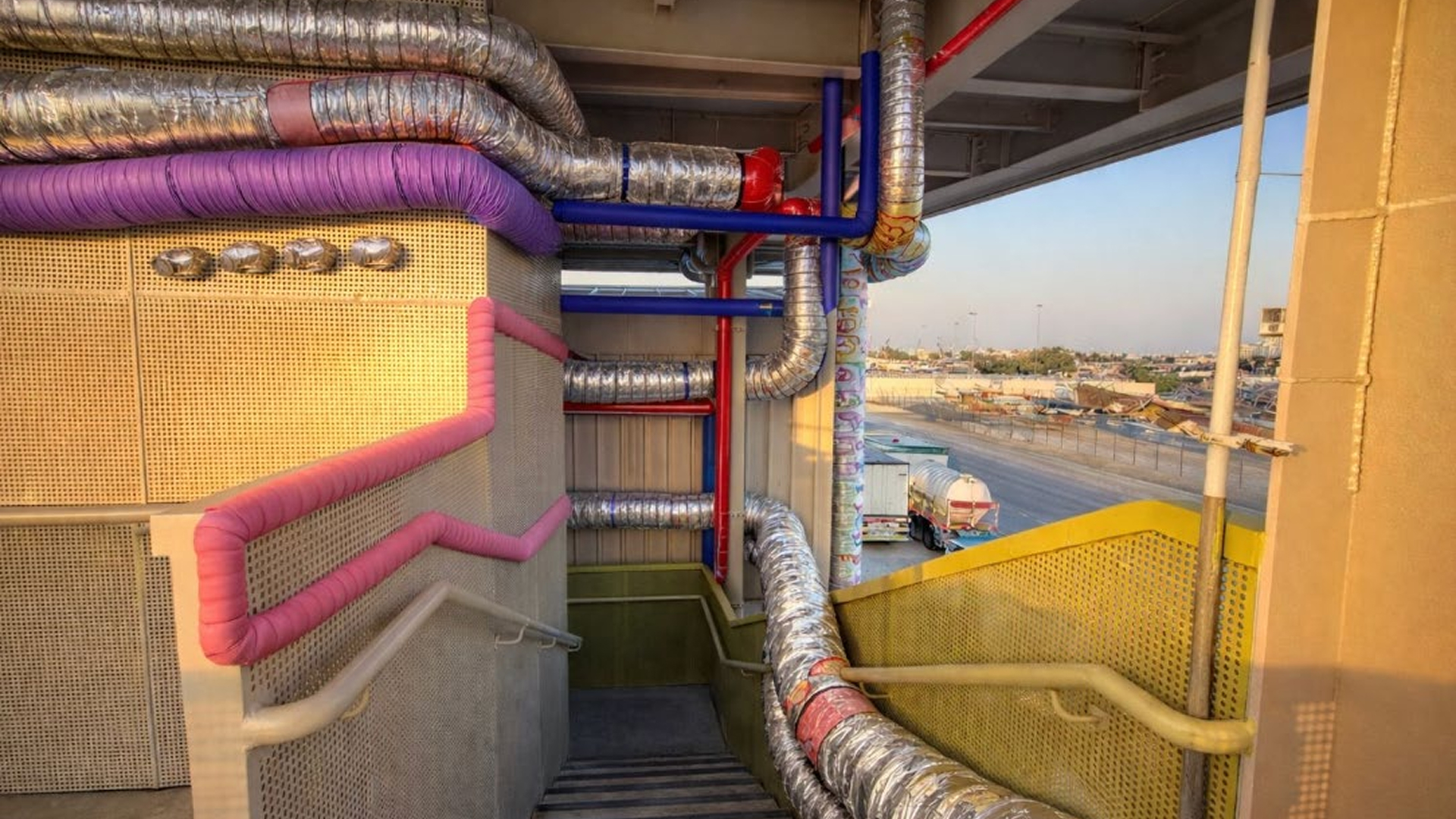
Shama Al Hamed
MiZa Observation Deck
Khalid Al Banna
